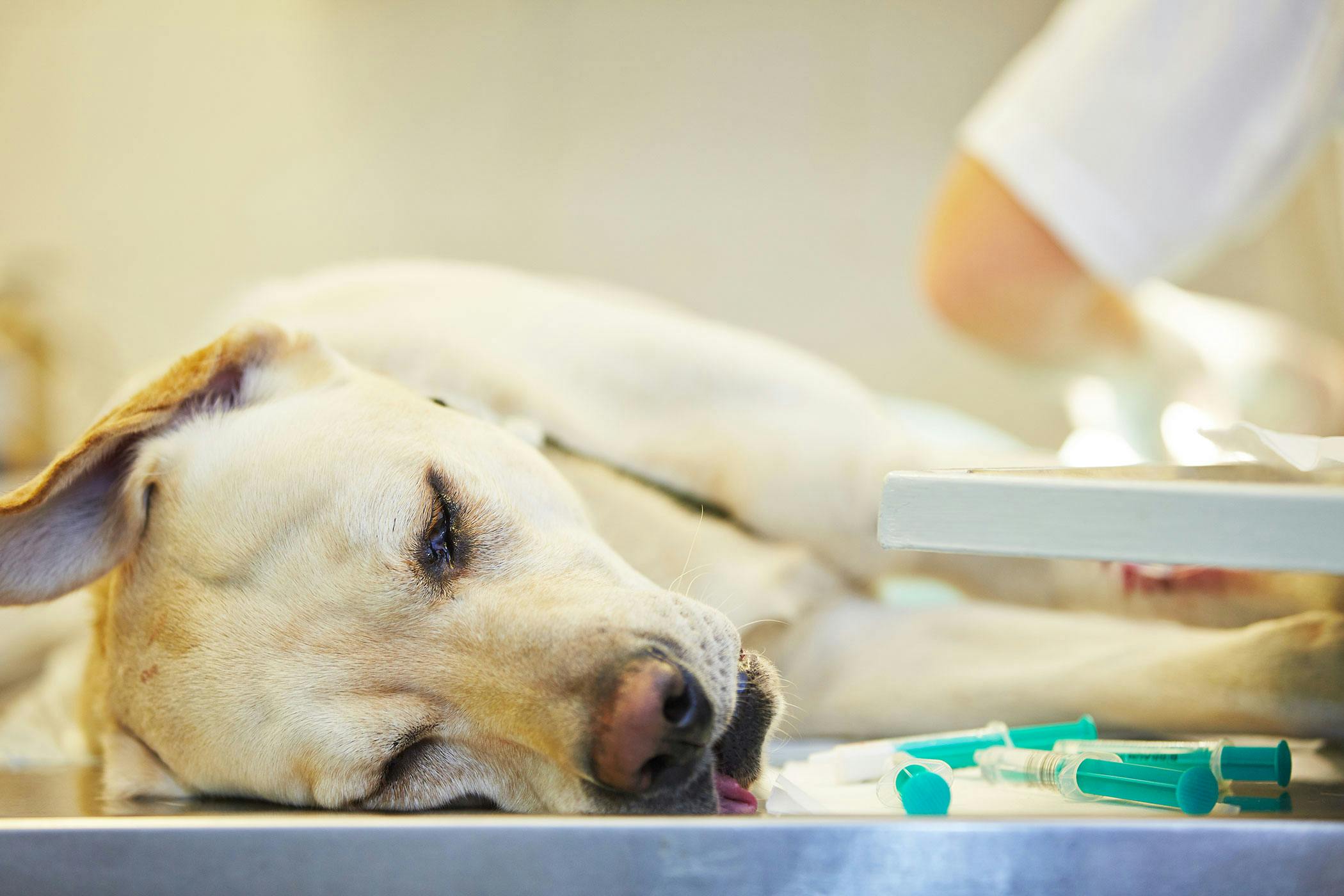
Signs Of Pancreatic Tumors In Dogs / Pancreatic Cancer In Dogs Winston Salem Vet Veterinary Oncology Services / Insulinomas are the most common type of pancreatic tumor, followed by adenocarcinomas.. C anine pancreatic cancer is rare but the cancerous tumors (adenocarcinomas) are aggressive and malignant. However, if your dog shows any symptoms such as confusion, loss of appetite and sleep, weakness. Some animals show clinical signs suggestive of pancreatitis. A canine pancreatic lipase immunoreactivity (cpli) test: Primary pancreatic tumors are rare in dogs and cats.
More often, cancer can lead to small changes in blood sugar levels that don't cause symptoms of diabetes but can still be detected with blood tests. Surgical treatment is significant for this disease. Changes in their consumption of food or water Your pets may respond to the surgical drainage of the abscess. Less common causes are tumors that lead to obstruction of the pancreatic duct.
Understanding Pancreatic Cancer In Dogs Canna Pet from canna-pet.com Canine pancreatic cancer symptoms the symptoms of this condition are as previously mentioned very similar to those shown with liver failure. As this happens, your pet will lose out on nourishment that he would otherwise be eating, and his weight will gradually and consistently go down. Since these tumors often block the bile duct, jaundice is another common sign. Like pancreatic adenocarcinoma, islet cell tumors may cause abdominal pain, weight loss, nausea, and vomiting. Depending on the type of tumor, the signs of pancreatic cancer in dogs might be different from case to case. Pancreatic cancer (insulinoma) average cost. However, if your dog shows any symptoms such as confusion, loss of appetite and sleep, weakness. Some of the symptoms of this type of tumor include:
Some less common symptoms are vomiting and seizures, and some dogs may even have abdominal hemorrhaging from a necrotic tumor core.
Some of the symptoms of this type of tumor include: Symptoms can include feeling thirsty and hungry, and having to urinate often. However, if your dog shows any symptoms such as confusion, loss of appetite and sleep, weakness. Like pancreatic adenocarcinoma, islet cell tumors may cause abdominal pain, weight loss, nausea, and vomiting. Less common causes are tumors that lead to obstruction of the pancreatic duct. The below signs and symptoms are not exclusive to pancreatic cancer, but if your dog displays any of these, be sure to take them to the vet to be checked out. Some of the most common pure breeds at risk are: These include stomach pain, loss of appetite, swollen abdomen,. To spot signs of pancreatitis in dogs, keep an eye out for digestive distress, such as nausea, vomiting, and diarrhea. Primary pancreatic tumors are rare in dogs and cats. Jaundice or yellowing, usually associated with liver disease. A canine pancreatic lipase immunoreactivity (cpli) test: Unfortunately, one of the most common initial signs of hemangiosarcoma involves sudden collapse due to massive internal bleeding, usually from a ruptured spleen.
Since these tumors often block the bile duct, jaundice is another common sign. Changes in their consumption of food or water Unfortunately, one of the most common initial signs of hemangiosarcoma involves sudden collapse due to massive internal bleeding, usually from a ruptured spleen. Primary pancreatic tumors are rare in dogs and cats. Pancreatitis cancer is very rare in dogs.
Pancreatic Cancer Insulinoma In Dogs Symptoms Causes Diagnosis Treatment Recovery Management Cost from i.ytimg.com Pancreatic cancer (insulinoma) average cost. The below signs and symptoms are not exclusive to pancreatic cancer, but if your dog displays any of these, be sure to take them to the vet to be checked out. Since dogs usually show only mild warning signs, cases of hemangiosarcoma may not be detected until the cancer has reached an advanced stage. Sometimes, the condition comes on as a side effect to a drug, or after surgery. Primary pancreatic tumors are rare in dogs and cats. Longterm pancreatic inflammation (pancreatitis) is the most common cause in other breeds. Unconsciousness, or passing out due to low blood sugar. Insulinomas are the most common type of pancreatic tumor, followed by adenocarcinomas.
A neoplasm, or tumor, can be either benign or malignant in nature.
Jaundice or yellowing, usually associated with liver disease. Older dogs and ones who are overweight are also more likely to get it. Diagnosis of pancreatic cancer in dogs your vet will likely try to see if he or she can feel a protruding mass in the abdomen, which can be a symptom of adenocarcinomas in the pancreas. Since the spread will have already taken place once it is diagnosed, it is important to follow the medication or surgery whatever advised by the vet. Insulinomas are the most common type of pancreatic tumor, followed by adenocarcinomas. Less common causes are tumors that lead to obstruction of the pancreatic duct. An insulinoma is a tumor of the pancreas that affects the regulation of your dog's sugar levels, causing hypoglycemia, also referred to as low blood sugar. Signs of insulinomas in dogs insulinomas cause the pancreas to produce more insulin and lowers the blood sugar. Dogs with pancreatic cancer oftentimes have a difficult time eating sufficient amounts of food. Diarrhea or vomiting can cause dehydration, but those signs together will cause a greater fluid deficit and dehydration because the dog's fluid input (drinking) cannot keep up with the fluid. Pancreatitis cancer is very rare in dogs. These include stomach pain, loss of appetite, swollen abdomen,. Symptoms can include feeling thirsty and hungry, and having to urinate often.
Read on and get more information on the symptoms, causes, and treatment of pancreatic cancer in dogs. Unconsciousness, or passing out due to low blood sugar. Exocrine tumors include adenomas and adenocarcinomas, and endocrine tumors include insulinomas, gastrinomas, and glucagonomas. It is recommended to visit your vet. Abdominal mass that you can see or feel.
Glucagonoma In Dogs Symptoms Causes Diagnosis Treatment Recovery Management Cost from images.wagwalkingweb.com These include stomach pain, loss of appetite, swollen abdomen,. Since these tumors often block the bile duct, jaundice is another common sign. Both mixed breeds and pure breeds can be affected by this type of tumor. Less common causes are tumors that lead to obstruction of the pancreatic duct. You may notice that your pet's overall appetite has diminished as a result of his tumorous growth. The below signs and symptoms are not exclusive to pancreatic cancer, but if your dog displays any of these, be sure to take them to the vet to be checked out. Digestive problems digestive problems and issues with bowel movement are the most noticeable signs of potentially unhealthy pancreas. Primary pancreatic tumors are rare in dogs and cats.
Insulin and blood sugar tests can lead to a preliminary diagnosis of insulinoma.
Like pancreatic adenocarcinoma, islet cell tumors may cause abdominal pain, weight loss, nausea, and vomiting. You also may notice your dog hunching its back due to abdominal pain. Changes in their consumption of food or water Diarrhea or vomiting can cause dehydration, but those signs together will cause a greater fluid deficit and dehydration because the dog's fluid input (drinking) cannot keep up with the fluid. A canine pancreatic lipase immunoreactivity (cpli) test: However, if your dog shows any symptoms such as confusion, loss of appetite and sleep, weakness. Longterm pancreatic inflammation (pancreatitis) is the most common cause in other breeds. An insulinoma is a tumor of the pancreas that affects the regulation of your dog's sugar levels, causing hypoglycemia, also referred to as low blood sugar. Abdominal mass that you can see or feel. Usually, a vet can feel a mass in an affected dog's abdomen. Symptoms can include feeling thirsty and hungry, and having to urinate often. Digestive problems digestive problems and issues with bowel movement are the most noticeable signs of potentially unhealthy pancreas. More often, cancer can lead to small changes in blood sugar levels that don't cause symptoms of diabetes but can still be detected with blood tests.